Digital marketing is constantly changing, but some tactics consistently drive real sales when applied carefully. Whether you’re a small business owner, freelancer, or marketer, using practical, actionable strategies can turn online attention into revenue. This guide walks you through 12 digital marketing tactics that are easy to implement, budget-friendly, and effective for growing your business without overcomplicating things. Each tactic comes with simple steps you can try today.
1. Social Media Engagement
Social media isn’t just posting; it’s about conversation. Comment on followers’ posts, reply quickly, and ask questions. Share behind-the-scenes photos or short videos. Free tools like Canva can help make graphics without spending a fortune. Set a simple schedule: 3 posts per week and respond to every comment. This builds trust and keeps your audience returning. Try running small polls or Q&As to see what content excites them. Over time, small interactions turn into loyal followers who are more likely to buy. Even 10–15 minutes a day can make a difference.
2. Email Newsletters
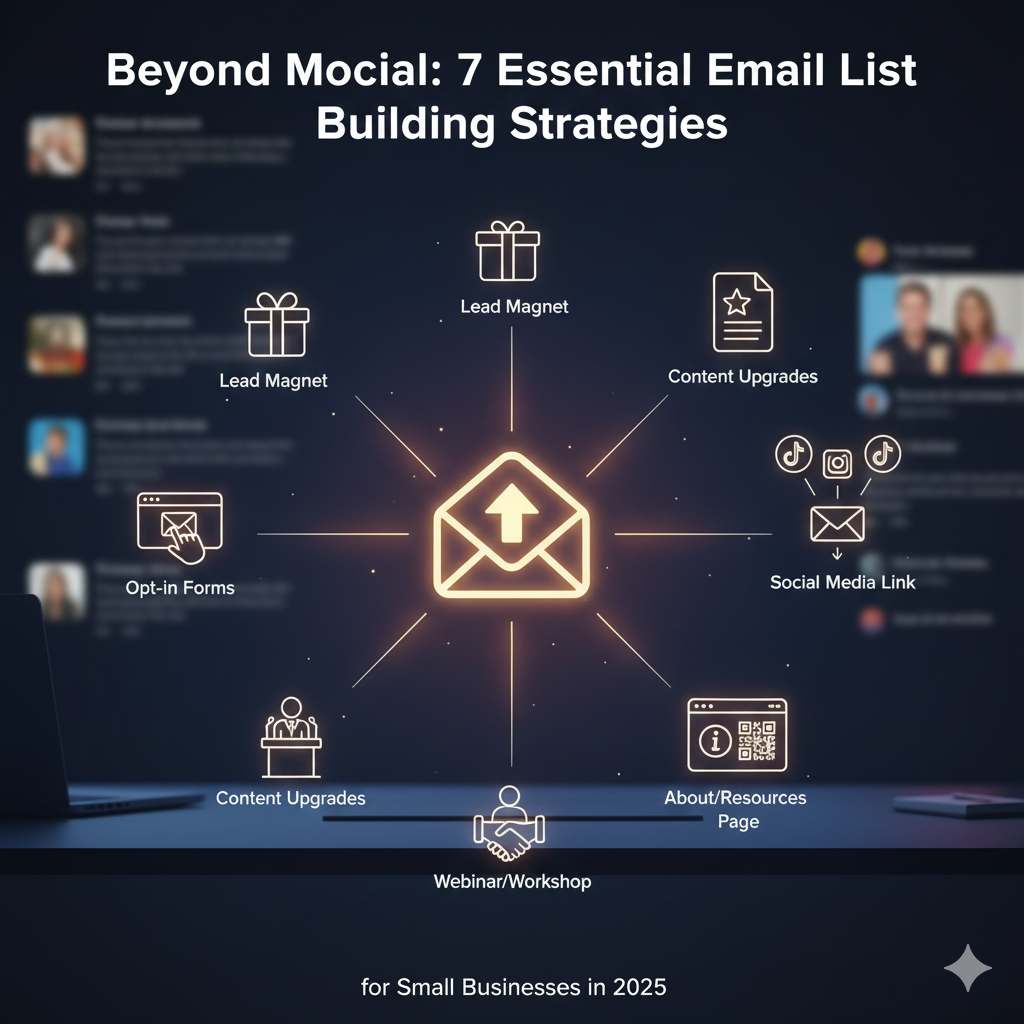
Email is still one of the strongest sales tools. Start by collecting emails with a simple pop-up or form on your website. Share exclusive tips, discounts, or updates. Keep each email short and friendly, with one clear action, like “Shop Now” or “Learn More.” Tools like MailerLite or Mailchimp offer free plans to begin. You don’t need fancy designs—clean layouts and personal greetings work best. Track which emails get opened and clicked to see what resonates. Even sending one well-crafted email per week can bring repeat sales without extra costs. Personal touches, like using the recipient’s name, increase engagement.
3. Blogging With Value
Writing blog posts is more than content—it’s connection. Focus on helping readers solve a problem or answer common questions. Use simple headings and short paragraphs. Include images or screenshots to make points clear. You don’t need expensive tools; free SEO plugins can guide keyword placement. Share your posts on social media for extra reach. Aim for 600–1,200 words packed with actionable advice. Over time, blogs attract organic traffic and bring in readers who may become customers. End each post with a friendly call to action, like inviting readers to check out a product or sign up for updates. Consistency matters more than perfection.
4. SEO Basics
Search engines drive traffic, but SEO doesn’t have to be complicated. Start with keyword research using free tools like Ubersuggest or Google Keyword Planner. Add these keywords naturally in titles, headers, and descriptions. Make sure your website loads quickly and works on mobile. Use simple internal links to guide visitors to related pages. Even small improvements, like descriptive image alt text, help. Track results with Google Analytics. Budget-friendly tip: write content your audience searches for, rather than guessing. Small, consistent steps in SEO grow long-term visibility without high costs.
5. Video Marketing
Video grabs attention fast. Short clips on Instagram Reels, TikTok, or YouTube explain products or show behind-the-scenes moments. Use natural light, a simple background, and clear audio. Even a smartphone works well. Keep videos under 60 seconds for social media. Add captions for those who watch muted. Share tutorials, quick tips, or customer stories. Editing apps like InShot or CapCut are free and easy. Videos help viewers trust your brand and understand your offerings better. Posting one or two short videos a week builds awareness without expensive equipment.
6. Retargeting Ads
Retargeting shows ads to visitors who already checked your website. It’s cost-effective because it focuses on people who are interested. Platforms like Facebook and Google make this easy. Set a small budget and test different ad designs. Keep text simple, showing the product or offer clearly. You don’t need a large team—many tools guide you step by step. Retargeting can recover visitors who almost bought but didn’t, turning previous interest into sales. Even $5–10 a day can make an impact.
7. Influencer Partnerships
Partnering with micro-influencers is affordable and effective. Look for creators with engaged audiences in your niche. Send them your product or offer a small commission. Encourage honest reviews or tutorials. Many smaller influencers charge less but have highly loyal followers. Track engagement and tweak your offers accordingly. The key is authentic promotion, not just numbers. One thoughtful collaboration can lead to significant sales without large ad budgets. Focus on relationships rather than a long list of influencers.
8. Customer Reviews
Reviews build trust fast. Ask satisfied customers to leave short testimonials. Display them on your website and social media. Use simple prompts like “How did this help you?” Respond to reviews politely, even the critical ones. Real experiences resonate with future buyers. You don’t need fancy tools—Google Reviews or your website’s review section works well. Highlight key benefits mentioned in reviews in posts or ads. Even a few strong reviews can encourage hesitant shoppers to hit buy. Small follow-up emails or thank-you notes increase response rates.
9. Limited-Time Offers
Creating urgency encourages people to act quickly. Offer discounts, bundles, or free shipping for a limited time. Highlight the deadline clearly. Use countdown timers or bold graphics on your website. Social media posts announcing deals help reach more people. Even simple text-based posts work. Limit offers to avoid giving products away too cheaply. This tactic converts browsers into buyers. Small, well-planned promotions can increase sales without ongoing expense. Share them via email, social media, and website banners to make sure your audience sees them.
10. Webinars and Live Streams
Live sessions connect directly with your audience. Teach a skill, answer questions, or demo a product. Promote the session ahead of time on social media and email. Use free tools like Zoom or YouTube Live. Encourage interaction by answering comments in real time. Keep it simple: 20–30 minutes is enough. Ending with a friendly call to action like “Check out this product” helps convert viewers. Live sessions build trust and can increase sales without heavy costs. Recording sessions for later reuse adds extra value.
11. Referral Programs
Referral programs reward customers for bringing friends. Offer small discounts or freebies when someone signs up or buys. Make sharing easy—email, social links, or codes. Even a simple Google Form or spreadsheet can track referrals. Promote it on social media and at checkout. Referrals are cost-effective because they target people who already trust someone recommending you. Clear instructions and friendly messages encourage participation. Just one or two successful referrals can generate steady extra sales without extra ad spend.
12. Content Repurposing
Reuse content to reach new audiences. Turn a blog post into a video, carousel, or social media snippet. Use free tools like Canva for graphics or Clipchamp for videos. Sharing content in different formats keeps your audience engaged without creating from scratch. Small changes, like turning tips into infographics, help reach people who prefer visual learning. Repurposing extends the life of your work, making every post more valuable. Focus on simple, creative tweaks to save time and money while staying visible across channels.
Conclusion
These 12 digital marketing tactics are designed for real, actionable results without overwhelming your budget. Implement them gradually, test what works for your audience, and adjust as needed. Even small, consistent steps—like replying to comments, sending weekly emails, or repurposing content—can steadily turn visitors into customers. Start with one or two tactics today and expand over time. Practical action beats complicated plans every time.