Growing a business isn’t just about doing more—it’s about doing what actually moves the needle. Yet many entrepreneurs get stuck in “activity mode,” working hard but not seeing real progress. A solid growth strategy changes that. It gives you direction, focus, and a roadmap you can actually follow.

Whether you’re a small business owner, freelancer, or startup founder, this guide breaks down how to build a growth strategy that’s realistic and results-driven.
1. Start With Clarity: Define Your Real Growth Goals
Before you can grow, you need to define what growth means for you.
Growth isn’t always about revenue. Sometimes it’s:
- More qualified leads
- Higher customer retention
- Better profit margins
- Improved brand visibility
- Streamlined operations
Pick one to three growth priorities for the next 6–12 months. This keeps you focused and prevents overwhelm.

Ask yourself:
- What would make the biggest difference in my business right now?
- What feels achievable within the next year?
- What will have the longest-lasting impact?
Once you define your goals, everything else becomes easier.
2. Understand Your Audience Like a Pro
Your growth strategy must connect back to the people who buy from you.
If you don’t deeply understand your audience, you’ll waste time on tactics that don’t resonate.
Here’s what to dig into:
- What problems do they want solved immediately?
- Where do they hang out online?
- What type of content or messaging grabs their attention?
- Why do they choose you over competitors?
Use customer surveys, reviews, conversations, or even analytics tools to gather insights.
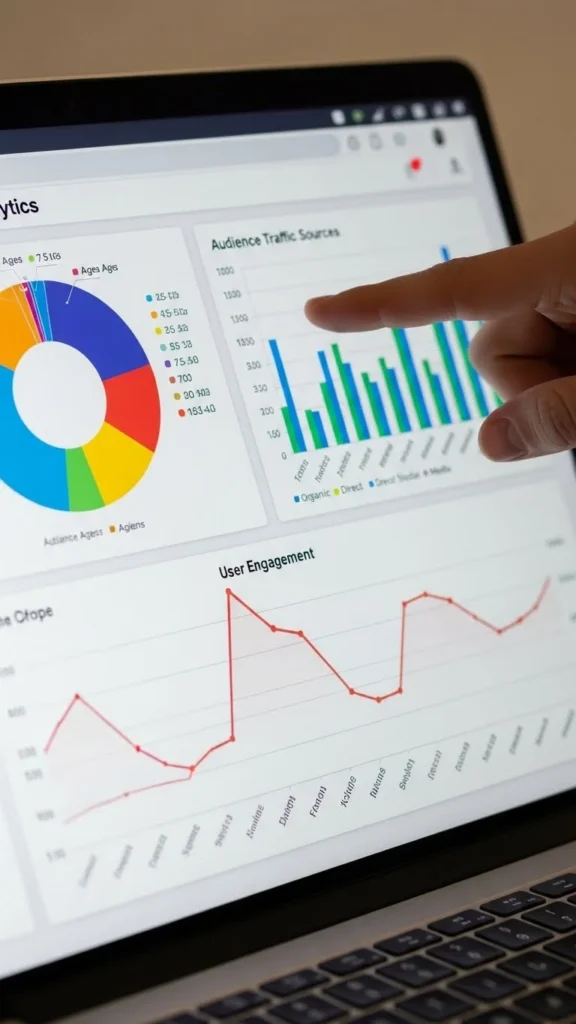
Understanding your audience helps you craft offers, messaging, and marketing that convert more effectively—which is the foundation of any successful growth strategy.
3. Choose Growth Channels That Match Your Goals
Not every channel is right for every business. Instead of trying to be everywhere, choose the channels that align with your goals and audience.
Examples of goal–channel alignment:
- Goal: Increase brand visibility
Channels: Pinterest, Instagram Reels, YouTube - Goal: Generate leads
Channels: Email marketing, SEO, Facebook ads - Goal: Improve customer loyalty
Channels: Community groups, loyalty programs, personalized email flows
Focus on 2–3 channels you can commit to consistently.
Consistency beats scattered effort every time.

4. Create a Simple, Repeatable Action Plan
Once you know your goals and channels, it’s time to outline the actions you’ll take.
A growth plan works best when it’s simple.
Try this easy 3-part planning framework:
1. Weekly Actions
Small consistent steps, like:
- Posting twice on social media
- Emailing your list
- Reaching out to potential partners
2. Monthly Actions
Bigger projects, such as:
- Publishing a long-form blog post
- Launching a new ad campaign
- Hosting a webinar
3. Quarterly Actions
Long-term impact activities:
- Updating your website
- Creating a new lead magnet
- Releasing a new offer
This framework keeps you from feeling overwhelmed while still moving steadily toward your goals.
5. Track What’s Working—Then Do More of That
Most businesses fail to grow simply because they don’t track what’s effective.
You don’t need fancy software.
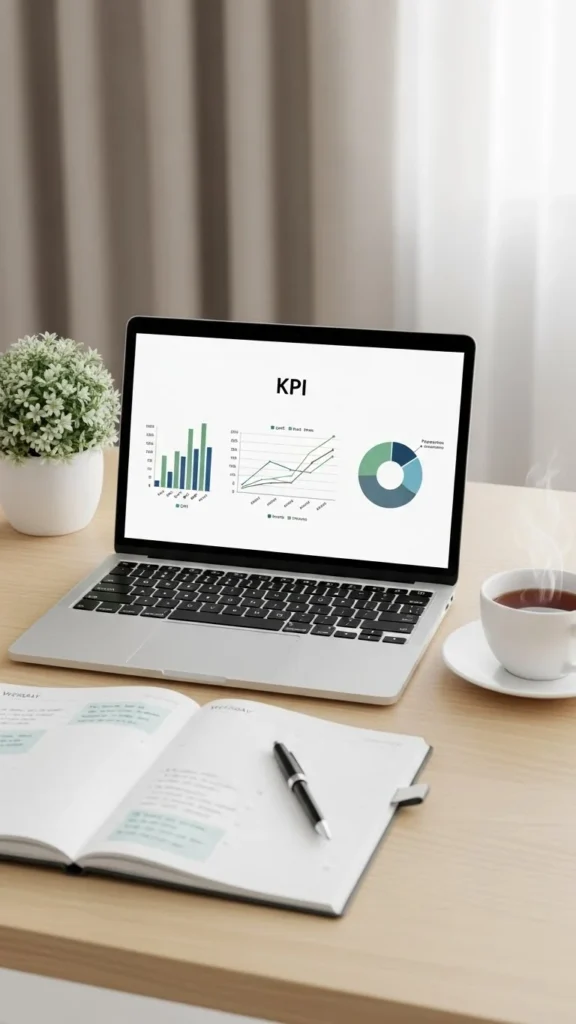
You just need to measure the few things that matter.
Track metrics tied to your goals:
- If your goal is lead generation → track email sign-ups
- If your goal is brand awareness → track impressions & reach
- If your goal is sales growth → track conversions
- If your goal is efficiency → track time saved or processes improved
Every 30 days, ask:
“What worked, what didn’t, and what should I double down on?”
Growth becomes predictable when you repeat what works and drop what doesn’t.
6. Stay Flexible and Adjust as You Learn
A good growth strategy isn’t a rigid plan—it’s a living document.
As you test new offers, adjust messaging, or explore new channels, you’ll discover what truly resonates with your audience. And sometimes the best opportunities come from unexpected insights.
Be open to:
- Shifting strategies
- Updating your goals
- Simplifying your focus
- Trying new formats or platforms
Flexibility keeps your business nimble and future-ready.
Final Takeaway
Building a growth strategy that delivers results doesn’t have to be complicated.
Start small, stay consistent, measure what matters, and keep adjusting along the way.