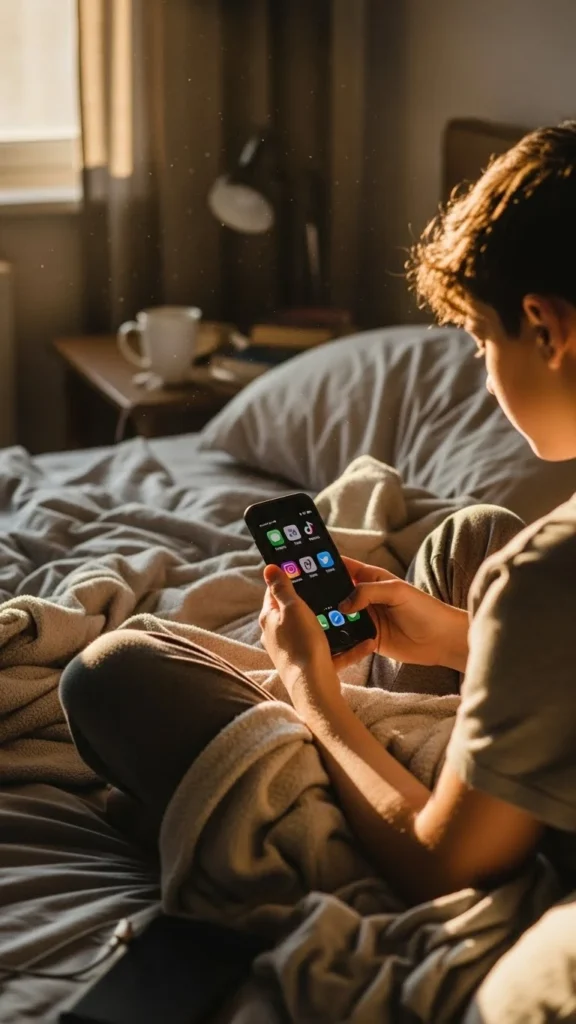
You wake up, grab your phone, and before you’ve even said a word out loud, you’ve already communicated—liked a post, replied with an emoji, maybe shared a story. Social media has quietly reshaped how we connect, express ourselves, and even listen to others. Whether you love it or side-eye it, there’s no denying its impact on everyday communication.
Let’s break down how social media changes the way we communicate—and how you can use it more intentionally instead of letting it use you.
From Long Conversations to Quick Signals
Social media has sped everything up. A lot.
Instead of long conversations, we now rely on:
- Likes
- Emojis
- GIFs
- Short comments or reactions
These quick signals can be powerful. A single ❤️ can show support. A laughing emoji can soften a message. But they can also oversimplify what we really mean.
What’s changed:
- Messages are shorter and faster
- Tone is often implied, not explained
- Misunderstandings happen more easily
This doesn’t mean communication is worse—it’s just different. The key is knowing when a quick reaction is enough and when words matter more.
Visuals Are the New Language
Photos and videos now do a lot of the talking for us. Instead of describing how we feel, we post an image that shows it.
Think about it:
- A selfie can say “I’m confident” or “I’m struggling”
- A story can show your entire day in 10 seconds
- A meme can express feelings you don’t know how to explain
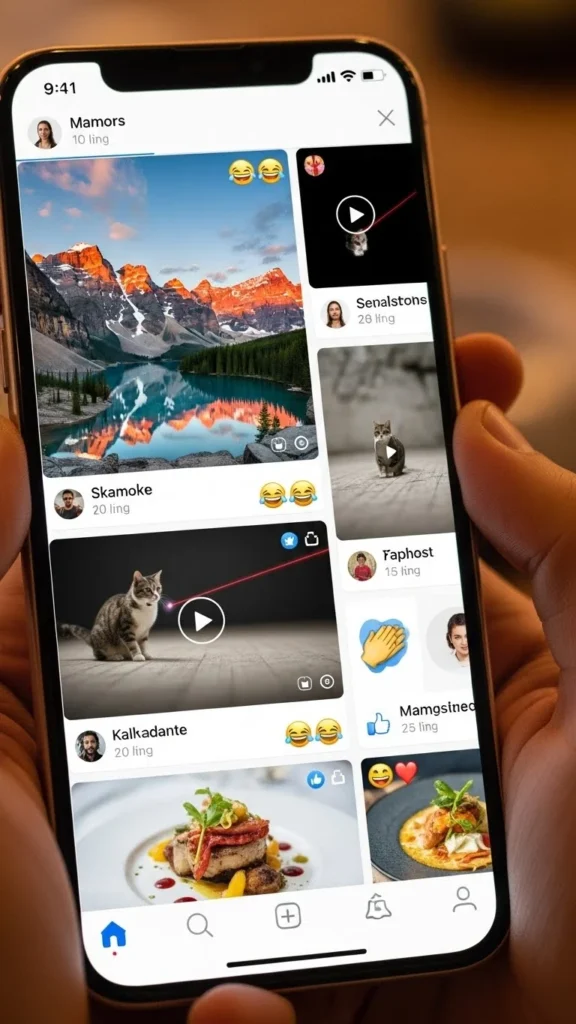
Visual communication is powerful because it’s:
- Faster to understand
- More emotional
- Easier to remember
But it also means people only see what you choose to show. Real life is always more complex than a highlight reel.
How Social Media Shapes Your Voice
Over time, social media can influence how you talk—even offline.
You might notice:
- Using slang or phrases you picked up online
- Thinking in captions instead of full thoughts
- Sharing opinions more boldly (or more cautiously)
Social platforms reward certain styles of communication:
- Humor
- Confidence
- Strong opinions
- Relatable honesty
That can help people find their voice, especially those who are shy in person. But it can also pressure people to perform instead of communicate authentically.
Tip: If you wouldn’t say it to someone’s face, pause before posting it.
Connection vs. Comparison
Social media makes it easier than ever to stay connected—but it also opens the door to constant comparison.
You’re communicating not just with people, but around them:
- Watching their wins
- Seeing their opinions
- Noticing who gets attention

This can affect communication by:
- Making people less honest about struggles
- Encouraging approval-seeking behavior
- Changing how we measure “being heard”
Real communication isn’t about likes or views. It’s about understanding and being understood—even when no one else is watching.
Blending Online and Offline Communication
One of the biggest changes is that online and offline communication are no longer separate worlds.
Examples:
- You DM someone before talking to them in person
- Group chats shape real-life plans
- Online disagreements affect real friendships
The healthiest communicators know how to switch modes:
- Online for sharing and staying connected
- Offline for deeper, more nuanced conversations

Try this balance:
- Use social media to start conversations
- Use real-life moments to deepen them
Using Social Media More Intentionally
You don’t have to quit social media to communicate better. Small shifts can make a big difference.
Simple ideas:
- Read messages twice before reacting
- Ask questions instead of assuming
- Use voice or video when text feels confusing
- Take breaks when scrolling replaces real connection
Social media is a tool. When you use it with intention, it can amplify your voice instead of flattening it.
The Big Takeaway
Social media has changed the way we communicate—making it faster, more visual, and more public. That comes with incredible opportunities and real challenges. The goal isn’t perfect communication; it’s mindful communication.
Use your voice. Choose your moments. And remember: the most meaningful conversations still don’t need a screen.
✨ Save this article for later if you want to be more intentional about how you connect online and offline.